Cyber security small business australia
Cyber security has become one of the most critical challenges facing small businesses in Australia. With cyber attacks increasing each year, even small organisations are now targets for ransomware, phishing attacks, data breaches and financial fraud.
According to the Australian Cyber Security Centre (ACSC), cybercrime reports from Australian businesses continue to rise, with small and medium-sized organisations being particularly vulnerable due to limited security resources and outdated systems.
Many business owners assume that cyber criminals only target large corporations. In reality, small businesses are often easier targets because they lack advanced security controls, employee training, and proactive monitoring.
The good news is that with the right cyber security protections in place, most attacks can be prevented before they cause damage.
Small businesses in Australia are increasingly targeted because attackers often assume they have fewer security controls in place than large enterprises. The Australian Cyber Security Centre (ACSC) has repeatedly warned that ransomware, phishing and credential theft remain the most common cyber attack methods affecting Australian organisations. Implementing strong cyber security protections is therefore not only a technical requirement but a critical part of protecting business continuity and customer trust.
In this guide, we outline 10 essential cyber security protections every small business in Australia should implement in 2026 to protect systems, data, employees and customers.
Common Cyber Threats Affecting Small Businesses
Cyber threats such as ransomware, phishing campaigns and credential theft are increasingly targeting Australian small businesses, making strong cyber security protections essential.
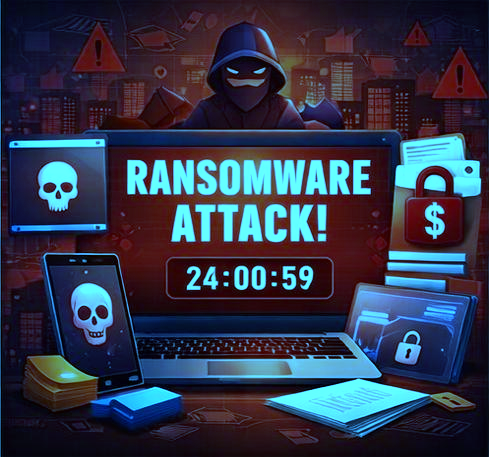
Ransomware attacks are one of the fastest growing cyber threats affecting small businesses.
Ransomware attacks have become one of the fastest growing cyber threats affecting Australian small businesses, often leading to data loss, operational downtime and financial damage.
1. Multi-Factor Authentication (MFA)
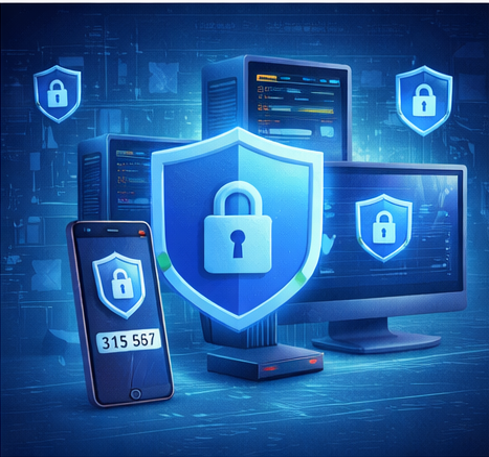
Multi-Factor Authentication adds an additional layer of security to protect business systems.
MFA requires users to verify their identity using two or more authentication methods such as:
• Password
• Authentication App
• Biometric Verification
• Security Token
Even if a password is stolen, attackers cannot access the system without the second authentication factor.
Every small business should enforce MFA across:
• Microsoft 365
• Email Platforms
• Remote Access Systems
• VPN Connections
• Financial Applications
2. Endpoint Detection and Response (EDR)
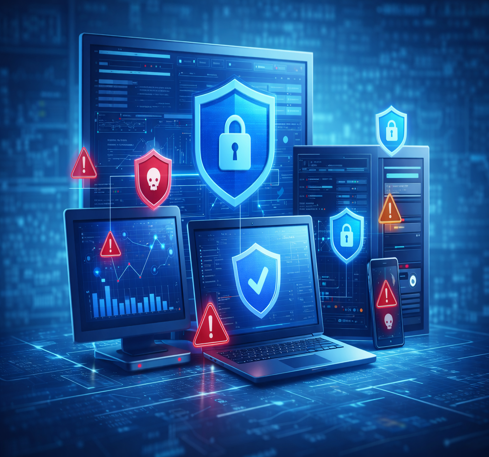
Traditional antivirus software is no longer enough to protect modern businesses.
Endpoint Detection and Response (EDR) provides advanced protection by continuously monitoring devices for suspicious activity such as:
• Ransomware Behaviour
• Malware Execution
• Credential Theft
• Unusual System Activity
EDR tools can detect threats early and automatically isolate compromised devices before the attack spreads.
3. Regular Security Patching
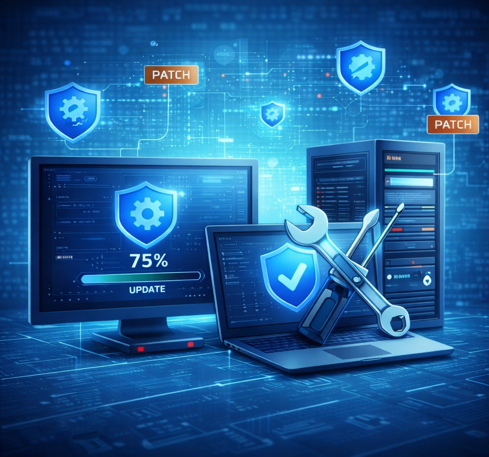
Many cyber attacks occur because businesses fail to update software.
Security patches fix vulnerabilities that attackers exploit to gain access to systems.
Businesses should ensure regular patching for:
• Windows operating systems
• Microsoft Office applications
• Web browsers
• Firewall firmware
• Server software
Automated patch management helps ensure systems remain protected without manual intervention.
4. Email Security and Phishing Protection
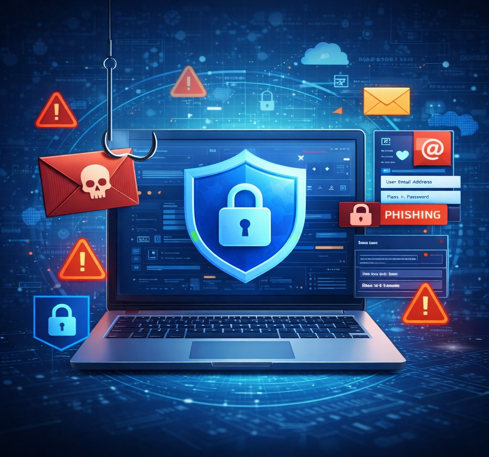
Email remains the most common entry point for cyber attacks.
Phishing emails attempt to trick employees into:
• Revealing Passwords
• Downloading Malware
• Transferring Money
• Clicking Malicious Links
Advanced email security platforms detect and block malicious emails before they reach employee inboxes.
Protection features should include:
• Phishing Detection
• Malicious Attachment Scanning
• Domain Impersonation Protection
• Sandboxing Technology
5. Secure Cloud Backup

Backups are the final safety net against ransomware and data loss.
If systems are compromised, secure backups allow businesses to quickly restore data and resume operations.
Effective backup strategies should include:
• Encrypted Cloud Backups
• Automated Daily Backups
• Off-site Storage
• Tested Recovery Procedures
Regular backup testing ensures data can be restored quickly during an emergency.
6. Firewall and Network Security
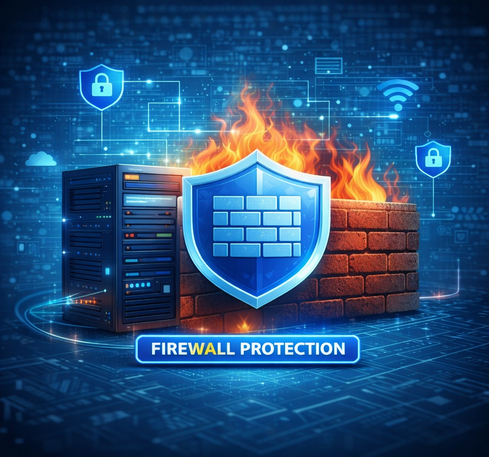
A properly configured firewall protects the internal network from external threats.
Modern firewalls provide advanced security features such as:
• Intrusion Prevention
• Malware Filtering
• Web Content Filtering
• Traffic Monitoring
Firewalls act as the first barrier between the internet and business systems.
7. Employee Cyber Security Training
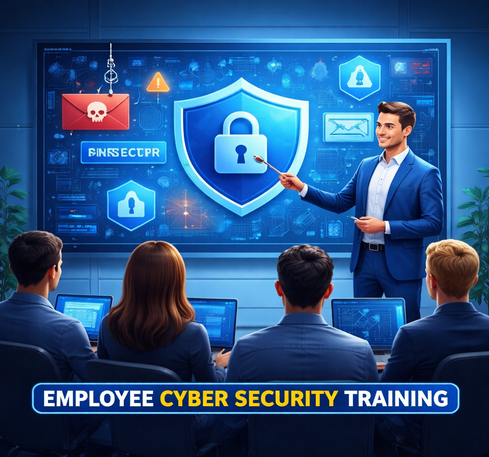
Human error remains one of the biggest cyber security risks.
Employees should receive regular training to recognise threats such as:
• Phishing Emails
• Suspicious Links
• Malicious Attachments
• Social Engineering Attempts
Educated employees become an important layer of defence.
8. Secure Remote Access

With remote work becoming common, secure access to systems is essential.
Remote connections should be protected using:
• VPN Encryption
• Multi-Factor Authentication
• Endpoint Security Policies
• Restricted User Permissions
Unsecured remote access can expose the entire network.
9. Network Monitoring
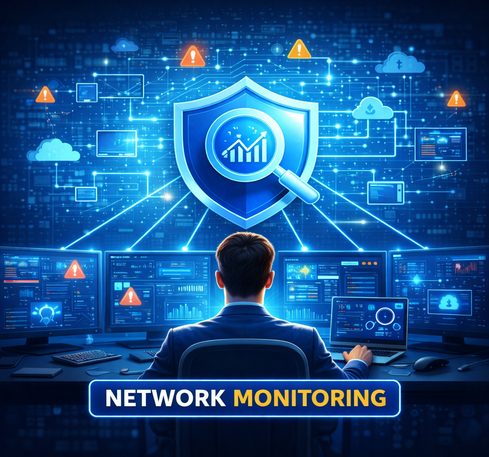
Continuous monitoring allows businesses to detect threats early.
Security monitoring systems can identify:
• Unusual Login Behaviour
• Abnormal Network Traffic
• Malware Activity
• Attempted Intrusions
Early detection significantly reduces the impact of cyber incidents.
10. Incident Response Planning
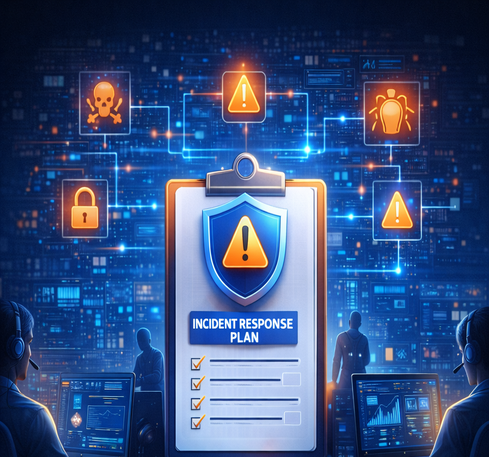
Even with strong protections in place, businesses should prepare for potential cyber incidents.
An incident response plan outlines how the organisation will respond to:
• Ransomware Attacks
• Data Breaches
• System Outages
• Cyber Extortion Attempts
Having a clear plan allows businesses to recover faster and minimise operational disruption.
Conclusion
Cyber threats continue to evolve, and small businesses in Australia must take proactive steps to protect their systems, employees and customers.
Implementing the essential protections outlined in this guide can significantly reduce cyber risk and strengthen the security posture of any organisation.
Businesses that invest in cyber security not only protect their operations but also build trust with customers, partners and stakeholders.